News
In Japan circular production is not just theory, but practice
Published online: 23.03.2026

News
In Japan circular production is not just theory, but practice
Published online: 23.03.2026
In Japan circular production is not just theory, but practice
News
Published online: 23.03.2026
News
Published online: 23.03.2026
Text and photo by David Graff, AAU Communication and Public Affairs
When Danish manufacturing companies have to transition to circular practices, they can draw valuable inspiration from Japan.
This is the conclusion after the team behind The Circular Factory returned from a study trip to some of the companies in Japan that are globally among the most advanced in circular economy, resource reduction, and remanufacturing.
“Companies in Japan have, for more than half a century, been among the absolute global leaders in efficient, high-quality manufacturing,” says Associate Professor Thomas Ditlev Brunø, Aalborg University.
“Many of the methods I teach at Aalborg University today have their roots here. That is why Japan is an obvious place to look for new inspiration.”
The visits took place in March 2026 in connection with the CIRP Life Cycle Engineering Conference in Tokyo and included both global corporations and niche companies that excel in circular processes in practice.
At Panasonic’s Factory Refresh in Utsunomiya, the project team gained insight into a business model that gives the circular economy concrete meaning for both business and design.
Panasonic offers its dishwashers as a subscription service. This means that the products are continuously returned, inspected, and refurbished before being sent out to new subscribers.
“Panasonic’s return flow is an example of refurbishment, and it provides the company with valuable knowledge about which components wear out the most and how products can be designed even better next time,” says Thomas Ditlev Brunø.
The benefits include reduced material consumption, extended product lifetimes, and a service-based business model that is scalable.
Panasonic Factory Refresh
Panasonic Factory Refresh
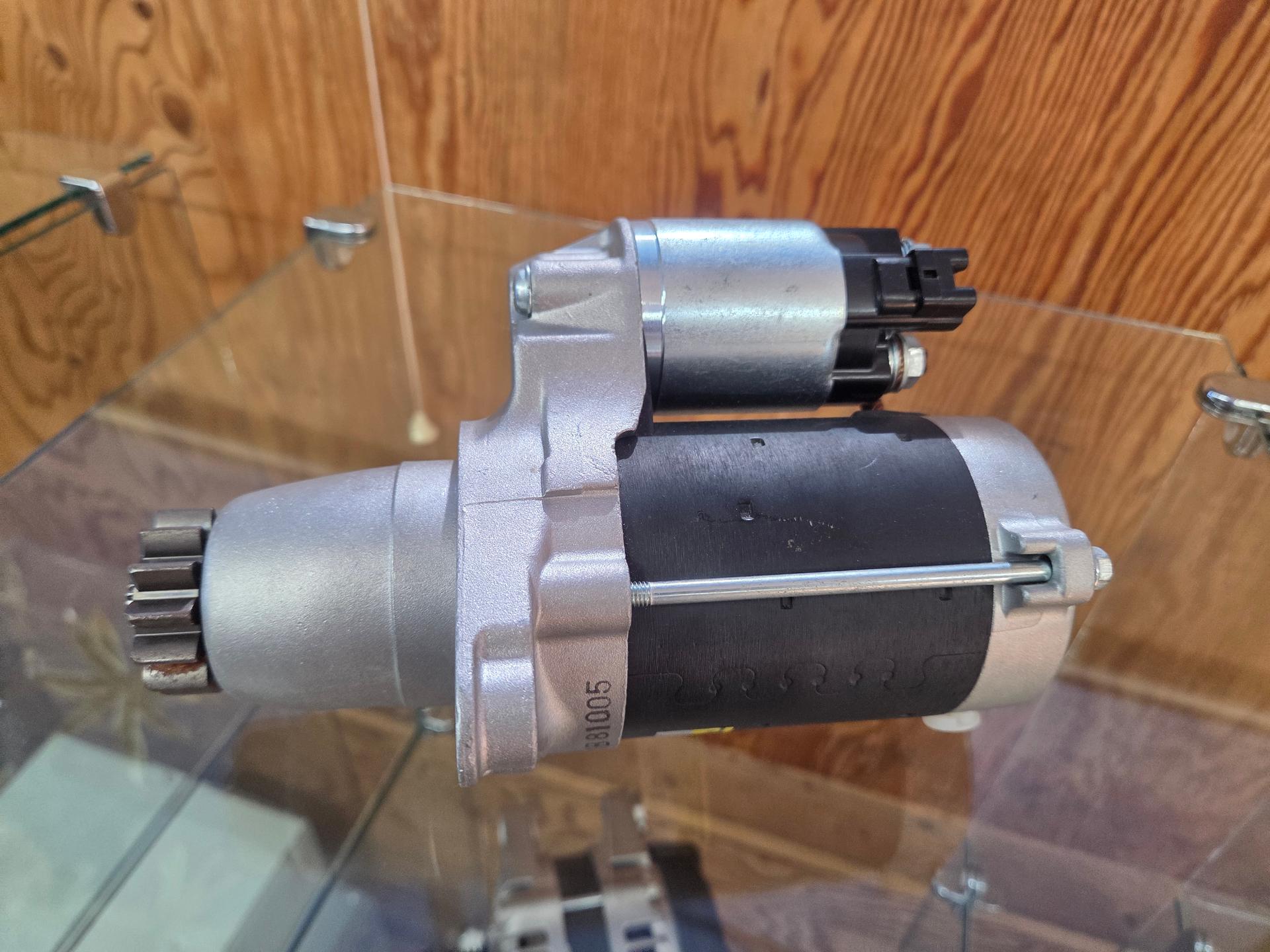
At Shin-Etsu Denso near Nagano, there is a strong focus on remanufacturing automotive components such as starters and alternators. The company receives used units, disassembles them, cleans, sorts, repairs, and tests them - before sending them back out at the same quality as new parts.
“A remanufactured starter requires only about one-tenth of the materials compared to a new one. That represents enormous potential - both economically and environmentally,” says Thomas Ditlev Brunø.
He particularly emphasizes the competencies required:
“This is not just about producing again. It requires entirely different skills than traditional linear production - and that is something we in Denmark need to take seriously if we want to remain competitive in 10–20 years.”

Shin‑Etsu Denso
Shin‑Etsu Denso
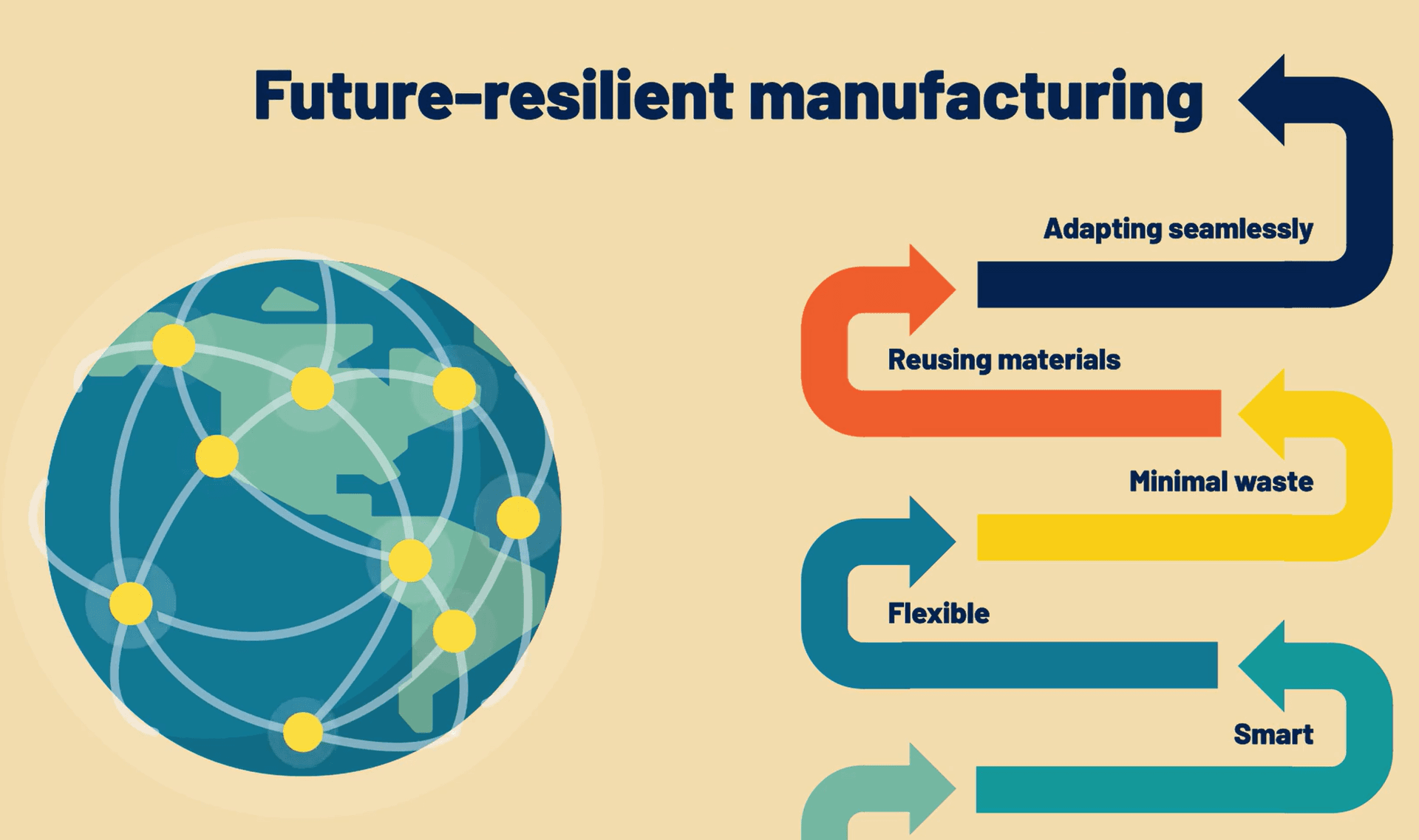
The visit to DMG MORI demonstrated how R-strategies (Reduce, Reuse, Repair, Refurbish, etc.) can be integrated throughout the entire production process.
R-strategies are everywhere at DMG MORI—for example, when the company:
DMG MORI itself describes its approach to recycling as “resourcing” to emphasize that by reusing steel from its own used machines, it reduces dependence on supply chains that can be vulnerable. This approach also becomes a means of increasing the company’s resilience.
“It was like walking through a physical textbook on R-strategies. Everywhere, there were examples of how resources can be used smarter,” smiles Thomas Ditlev Brunø.
At the Department of Materials and Production, we focus on sustainable manufacturing, developing innovative solutions that are both cost-effective and environmentally responsible. Our aim is to establish efficient production methods that conserve resources, minimize waste, and support a circular economy.
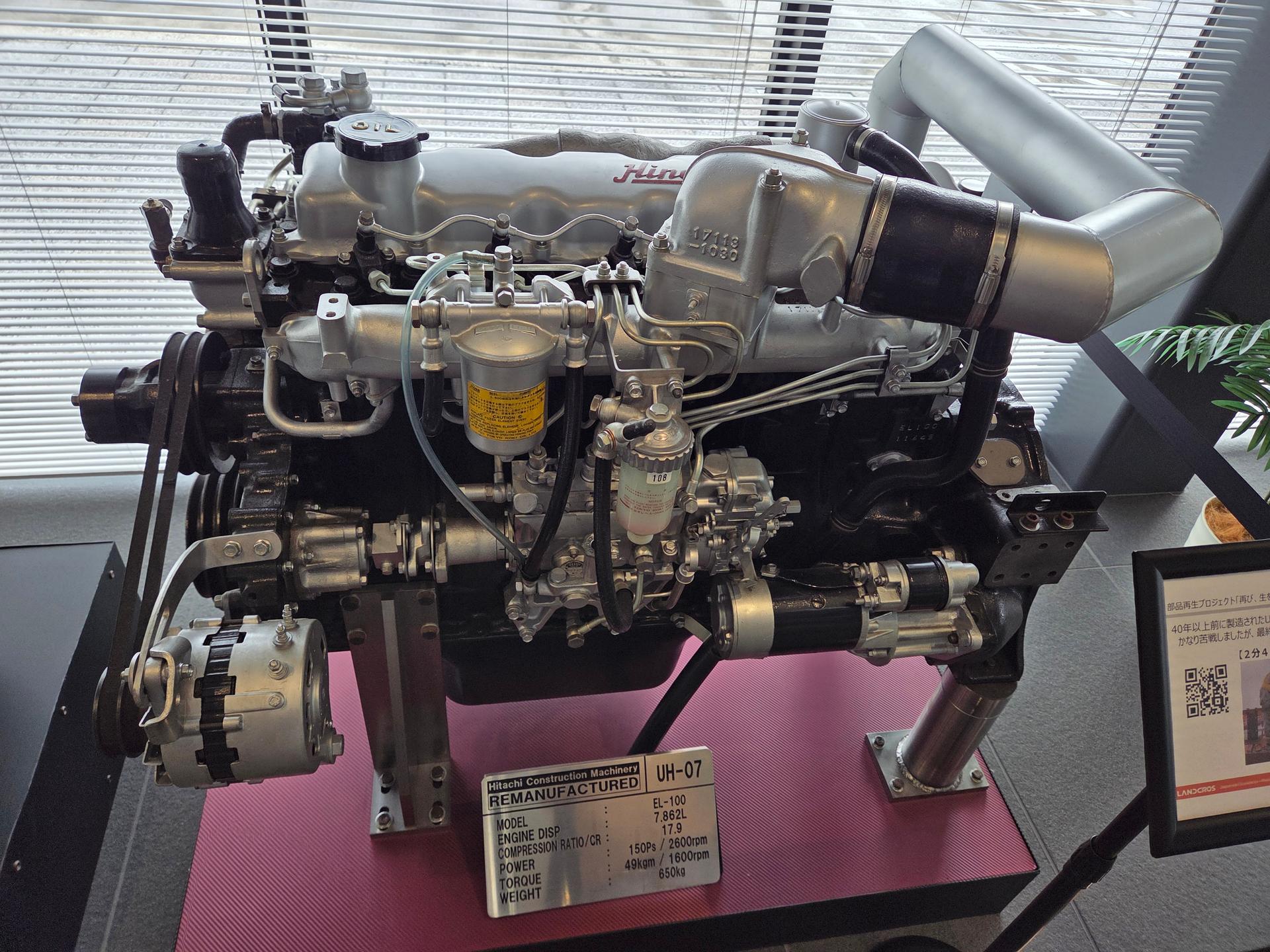
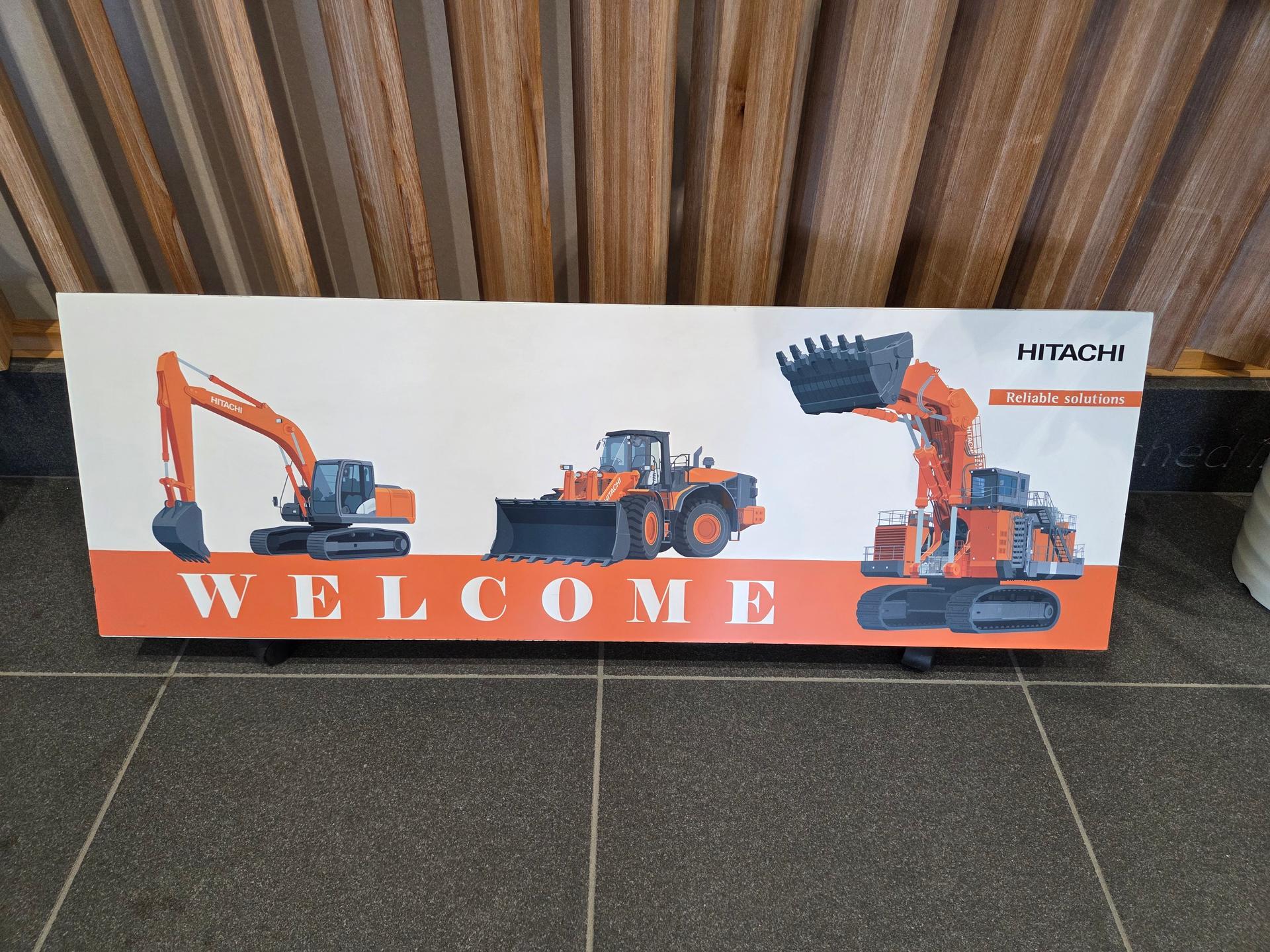
The project team’s final visit was to Hitachi Construction Machinery, which, with 22,000 employees, implements circular initiatives on a scale rarely seen in Denmark.
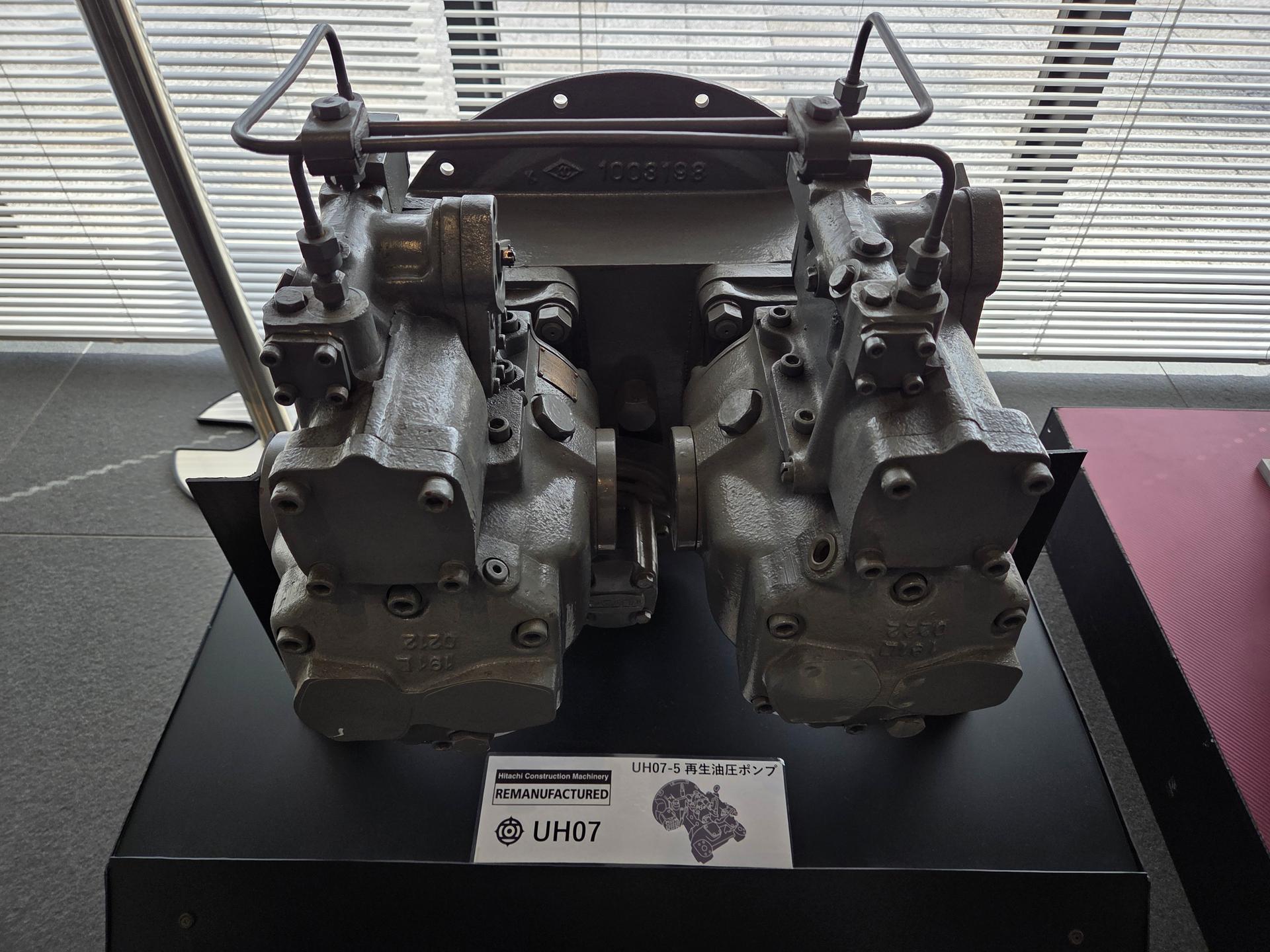
Hydraulic cylinders are remanufactured and refurbished - from excavators, wind turbines, and equipment from other manufacturers. The company has also solved a classic circular challenge: the return flow.
“Hitachi has tackled the challenge of creating an efficient return flow with reusable packaging. New parts are delivered in packaging that can be used to return the used parts. Simple and smart,” says Thomas Ditlev Brunø.
The visit also resulted in a new collaboration between AAU and Hitachi, offering company placements for master’s students.
Hitachi Construction Machinery
Hitachi Construction Machinery
Hitachi Construction Machinery
Although the companies are very different, the lessons from the trip point to three overarching themes, according to Thomas Ditlev Brunø.
“We return home with a long list of insights that can be directly applied to our work with Danish companies in The Circular Factory,” says Thomas Ditlev Brunø.
“The most important lesson from the trip is that circular production is not a distant vision - it works in practice when processes are well thought out and the right competencies are in place.”
The project team is now using the experiences from the study trip to develop:
The goal is to make circular production practically feasible and commercially attractive for Danish companies.
Facts
CO₂ emissions must be reduced and fewer resources used in Danish manufacturing companies, but this needs to be done in a way that aligns their green transition with their bottom line.
The goal of the project The Circular Factory is to demonstrate a concrete path forward by allowing companies to test circular production processes.
Circular production means that products, components, and materials are reused and recycled industrially rather than being discarded after use.
The main activities include:
The project has been developed in collaboration between the research groups Sustainable Manufacturing Systems and Sustainable Operations and Innovation Management at Aalborg University, as well as Syddansk Universitet, Probalance, and the Danish Industry Foundation. The project is supported with DKK 12 million from the Danish Industry Foundation for the period 2025–2028.
Read the press release about the project launch: https://www.mp.aau.dk/nationalt-demonstrationscenter-for-cirkulaer-produktion-abner-i-aalborg-n132699